


Why it’s time retail reimagined purpose-led commerce
Consumers are becoming more informed and values-driven by the day. Tanweer Khan at Causee explains why retailers must move beyond bolt-on approaches to CSR


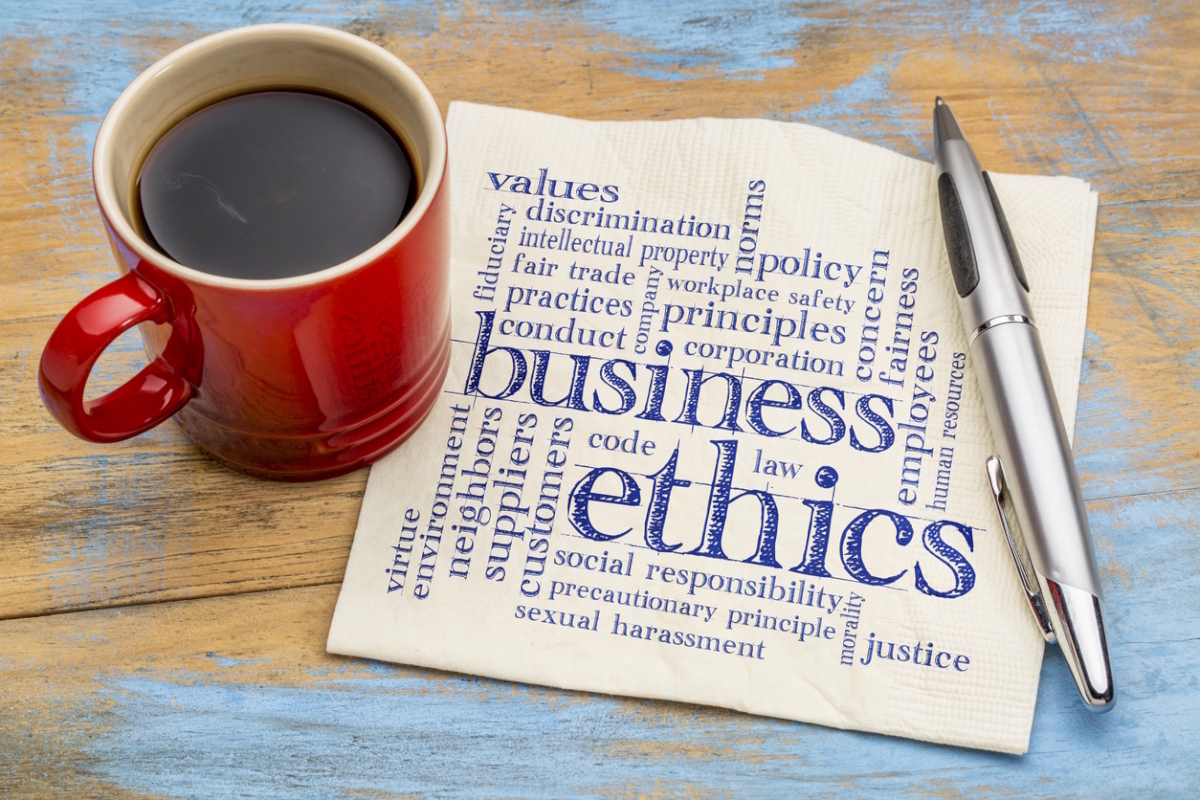
A quick scan of recent consumer and retail research confirms that sustainability and responsible operations are now standard expectations in retail, with 60% of consumers preferring sustainable brands, and around 40% checking a brand’s sustainability claims before buying.
And running those checks is easier than ever before. Modern consumers can instantly evaluate a company’s practices and CSR initiatives in just a few internet searches, making sure that a company’s values align with their own before choosing to purchase products.
This trend is only being driven further by social media, with reviews, feedback, and user-generated content informing and influencing purchasing decisions. Furthermore, e-commerce has removed much of the friction in switching between brands, with most retailers now operating online storefronts and marketplaces showcasing multiple brands’ products side by side.
This means that all consumers now have a clearer opportunity to make sustainable choices by supporting those companies that demonstrate their ethical and responsible practices. But as Gen Z’s purchase power reaches its peak (expected to reach $12 trillion by 2030), this generation of consumers, who have grown up with recycling and responsible consumption campaigns, are accelerating the pace of change. In the UK, for example, almost two-thirds of Gen Z consumers prioritise buying from brands that demonstrate sustainable and ethical practices.
Make doing good a byproduct of engaging with your brand
For retailers, standing up to consumer scrutiny around sustainability and social credentials can add real value.
64% of consumers rank sustainability as a top three purchasing consideration, while analysis of 44,000 brands from McKinsey + NIQ shows a clear correlation between sustainability claims and sales growth. But while the idea of responsible business has become a mainstream part of retail, it still isn’t a core commercial consideration for many businesses.
Too often, brands still treat purpose as a CSR or marketing function that is structurally separate from the way in which products are designed, priced or sold. This manifests in initiatives such as donation roundups at checkout or seasonal campaigns designed to highlight a social issue. Yet that add-on, afterthought style approach does not match consumers’ rising expectations around responsibility.
The modern consumer expects brands to build responsibility directly into how products are sourced, made, sold, reused and recycled. They’re becoming more comfortable with new models of ownership where value is extended or shared, such as product rentals or recommerce. But when customers are asked to do good by taking an extra action, such as ticking a box to add on a donation, it can feel like an insincere afterthought from the brand, rather than a meaningful commitment. In essence, companies are effectively delegating that responsibility to the customer and abdicating responsibility entirely. It should not be up to the customer to decide whether they will donate an extra 5 pence that can go towards better working conditions in a sweatshop in a third-world country where their summer holiday T-shirt was manufactured. Instead, the manufacturer should build this into their business model. Otherwise, it is simply unsustainable.
Retailers must therefore think about purpose in a different way. Impact should be something that’s built into the way value moves through a business model. It shouldn’t sit tangentially to the commercial reality, but be the driving force that’s shaping it.
Rather than asking customers to opt into doing good, retailers should set up their businesses in a way that makes ‘good’ a natural byproduct of engaging with the business.
In categories where there is little difference in product or price, focusing on purpose can be a clear point of differentiation. Retailers that can align with customer values give customers a reason to choose them over the competition, not just once, but repeatedly. When values are aligned, customer loyalty – and retention – follows. Too often, we are seeing a race to the bottom in terms of pricing, but this can lead to some ESG or CSR trade-off elsewhere in the chain, which then becomes the equivalent of ‘robbing Peter to pay Paul’.
Purpose-led commerce must solve a problem
I believe social value is necessary within any retail business. Without it, the retailer’s profit-maximisation objective will usually override any CSR or ESG concerns. As we have seen, many retailers will even use their scale and dominant position to reduce their tax liabilities by not putting anything back into the communities they rely on for their customers.
The OECD flags this as a systemic issue, highlighting that base erosion and profit shifting (BEPS) – where multinationals shift profits to low or no-tax locations where they have little or no economic activity, or erode tax bases through deductible payments like interest or royalties – cost countries $100-240 billion in lost revenue annually.
BEPS is telling of the fact that company boards often determine executive compensation packages based on financial metrics, not social metrics. Yet research shows consumers are increasingly intolerant to such approaches, turning their back on brands that demonstrate this kind of behaviour.
The challenge now for companies, boards and management is to find the right balance between profit-maximisation and impact.
Purpose-led commerce doesn’t need to be about donating to charities or planting trees. It can be about ensuring staff have rights, tackling pollution, avoiding unethical marketing practices, and much more. But for those who are keen to pursue it, it must be about solving a problem first, not creating another campaign.
Because when responsibility is built into the way value is created - rather than added on as a marketing exercise - it becomes something customers can see and trust, and forms part of the customer experience itself. And that is what will drive long-term customer loyalty – the lifeblood of any retail brand.
Tanweer Khan is Founder and CEO of ethical marketplace Causee
Main image courtesy of iStockPhoto.com and marekuliasz
Your Next Read
10 ways retail and CPG drive business value with the data cloudSPONSORED ARTICLE
2021: a year for no customer service excusesSPONSORED ARTICLE
2024 European Consumer Trends IndexSPONSORED ARTICLE
2026 ESG Metrics Guide: What Investors Are TrackingSPONSORED ARTICLE

Related Content
10 ways retail and CPG drive business value with the data cloudSPONSORED ARTICLE
2021: a year for no customer service excusesSPONSORED ARTICLE
2024 European Consumer Trends IndexSPONSORED ARTICLE
2026 ESG Metrics Guide: What Investors Are TrackingSPONSORED ARTICLE
2026 Guide to Responsible AI for Compliance OfficersSPONSORED ARTICLE
Supply Chain Talk
view all
Why unified, AI-powered supply chains are pulling ahead - and what the rest risk losing


Connecting the supply chain - Why the yard matters more than ever
Winston House, 3rd Floor,
Units 306-309, 2-4 Dollis park,
London, N3 1HF
020 8349 4363
© 2026, Lyonsdown Limited. teiss® is a registered trademark of Lyonsdown Ltd. VAT registration number: 830519543