



IT teams burnt out by alert fatigue
Ed Crane at Phoenix47 describes how businesses can respond to the growing challenge of alert fatigue that is burning out IT professionals

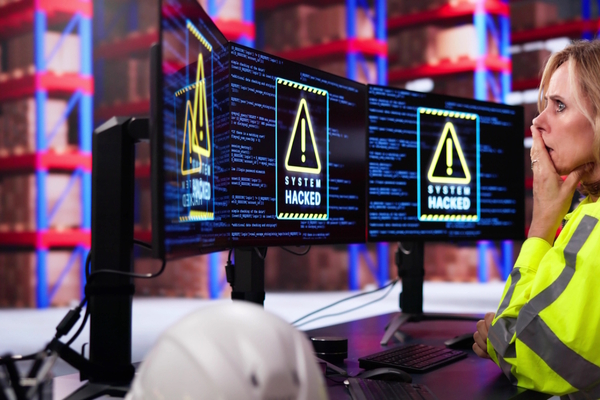
Across IT teams, the volume of notifications, warnings, and system alerts has reached breaking point. The growing challenge is alert fatigue. Recent research reveals that three-quarters of UK IT teams have suffered outages due to overlooked critical alerts, and 15% of IT professionals now admit to deliberately ignoring or suppressing alerts in order to cope.
During Mental Health Awareness Month, it’s time to acknowledge the human cost behind the noise and the serious operational consequences for businesses that fail to act.
The human cost of constant alerts
Modern IT environments are bigger, faster and more distributed than ever before. Cloud ecosystems, hybrid networks, SaaS sprawl and AI-driven tools each generate their own stream of alerts. IT teams feel pressured to respond, often treating every alert as urgent, as every tool competes for attention.
As a consequence, 83% of IT specialists now experience alert fatigue, and the volume of notifications has more than doubled within the last three years. It’s not just a workflow problem; teams are more often expected to be ‘always on’, leading to stress, cognitive overload and burnout. Morale and focus erode, as does the ability to make the right decisions.
AI is also accelerating this problem, as we have seen in Gigamon’s latest research, highlighting that 83% of organisations have already experienced AI involvement in security incidents. Attackers are increasingly using it to automate reconnaissance, generate more sophisticated attacks and dramatically increase the speed of exploitation, which means more alerts, more noise and even more pressure on already stretched IT teams
Business and security risks
Alert fatigue doesn’t just exhaust people; it also has devastating consequences on an organisation. When teams are overwhelmed, critical warnings become buried among low-priority or repetitive alerts, leading to delayed responses to incidents that could have been contained. Burnout erodes judgment, and the ability to distinguish between routine alerts and genuinely dangerous ones is reduced.
This often leads to minor issues becoming major outages, converting vulnerabilities into breaches and leads to organisations losing operational resilience without even realising it. Organisations that fail to address alert fatigue will continue to operate with a weakened cybersecurity posture, no matter how much they invest in tools.
Sustainable strategies to reduce alert fatigue
Organisations can take the following meaningful steps to reduce alert fatigue and support their IT teams:
Use AI to help IT teams prioritise what matters
AI can be part of the problem in terms of noise, but it has the potential to become a significant part of the solution. AI can analyse context, behaviour, and historical patterns to determine which alerts need immediate attention and which can safely wait. AI can suppress false positives, highlight anomalies and ensure IT engineers only see those alerts that require action. This significantly reduces cognitive load, stress and accelerates response times.
Consolidate fragmented tooling
As companies adopt more tools and digital workflows, these investments further contribute to an already fragmented ecosystem, and tool sprawl is one of the biggest contributors to alert fatigue. However, consolidating monitoring, detection and reporting into a ‘single source of truth’ can reduce alert fatigue by enabling teams through a unified view of activity and the elimination of duplication or conflicting alerts.
By simplifying key processes, organisations can improve morale within their teams and help to reduce burnout.
Improve the IT signal-to-noise ratio
A high signal-to-noise ratio means there are fewer distractions, freeing up capacity to respond faster to the alerts that really matter. If an alert doesn’t demand an immediate, actionable response, it shouldn’t disturb the engineer. When an alert does fire off, by building context, it should be able to guide what needs to be done. It’s a transition from reactive noise-generation to proactive observability
Support the team behind the IT
Reducing alert fatigue isn’t only about fixing systems; it’s about supporting the people who manage them. Engineers need an environment that doesn’t feel like a constant barrage of warnings and where the workspace itself helps reduce stress rather than amplify it. Creating calmer, more balanced operational environments that break up the intensity of alerts with moments of normality, interest and breathing room, helps teams reset between high-pressure tasks and think more clearly.
When the environment feels less hostile, cognitive load drops, decision-making improves, and engineers regain a much-needed sense of control over their workload.
Leadership responsibility
Business leaders have a responsibility to recognise IT alert fatigue as a strategic issue. Addressing this challenge requires investment in both people and infrastructure, with technology decisions aligned to realistic workloads and clear expectations around availability and response times. Leaders should also consider the tangible business costs when staff take time off or resign, including attrition, recruitment, onboarding and the loss of critical skills.
Failing to act increases turnover, erodes institutional knowledge and leaves organisations more vulnerable to future incidents. It also raises the risk of compounding pressure within already stretched teams: when individuals take stress leave, the resulting gaps place additional strain on colleagues, which can quickly escalate and lead to multiple absences within the same team. This creates a cycle that is increasingly difficult to stabilise and significantly heightens operational and delivery risks.
Sustainable growth depends on more than innovative technology. It requires dependable processes, healthy teams and an environment where technical staff can perform at their best without burning out.
Ed Crane is CEO of Phoenix47
Main image courtesy of iStockPhoto.com and skynesher

Business Reporter Team


Related Articles

Most Viewed


Winston House, 3rd Floor, Units 306-309, 2-4 Dollis Park, London, N3 1HF
23-29 Hendon Lane, London, N3 1RT

020 8349 4363

© 2025, Lyonsdown Limited. Business Reporter® is a registered trademark of Lyonsdown Ltd. VAT registration number: 830519543