




Scale Industrial Security to Maximize Operational UptimeSponsored by Claroty

Bridge the OT Knowledge Gap to Secure Plant ResilienceSponsored by Claroty

Protect Patient Safety by Securing Healthcare NetworksSponsored by Claroty

Cleanroom Donning Errors That Risk ContaminationSponsored by Connect 2 Cleanrooms


New Clinical Study Redefines Omega-3 DeliverySponsored by NaturMega

Journey toward AI-NativeSponsored by Kyndryl

Magtein®: Effective Magnesium for Brain HealthSponsored by ThreoTech

Vos serveurs d'impression freinent votre stratégie IT – et cela a un coût.Sponsored by Vasion

Ihre Printserver bremsen Ihre IT-Strategie aus – und das hat einen Preis.Sponsored by Vasion

Vos serveurs d'impression vous coûtent plus cher que vous ne le pensez.Sponsored by VASION

Ihre Druckserver kosten Sie mehr, als Sie denkenSponsored by VASION

From Sitecore XP to Contentful: Replatform with purposeSponsored by Contentful
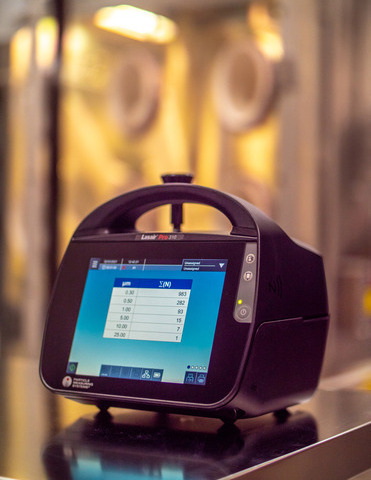
Environmental Monitoring HandbookSponsored by Particle Measuring Systems


Scale AI With the Right Data Management StrategySponsored by Aspen Technology
Most Viewed


Winston House, 3rd Floor, Units 306-309, 2-4 Dollis Park, London, N3 1HF
23-29 Hendon Lane, London, N3 1RT

020 8349 4363

© 2025, Lyonsdown Limited. Business Reporter® is a registered trademark of Lyonsdown Ltd. VAT registration number: 830519543


