
Businesses that had built workflows and customer commitments around certain AI models recently lost access by regulatory decree rather than their own failure
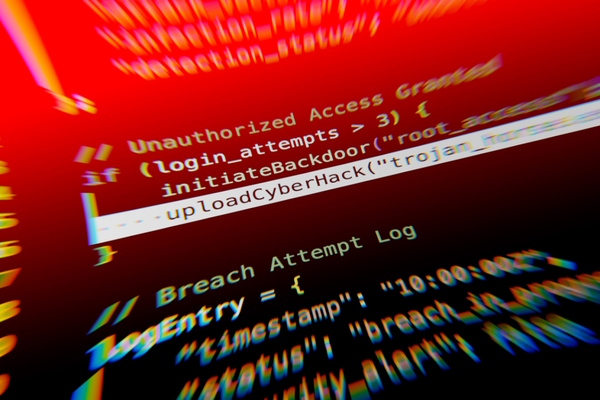
Autonomous systems accelerate the discovery of bugs and vulnerabilities, leaving organisations with far less time to identify and remediate their weaknesses
Goal-directed deception by AI was largely theoretical. The AI models that recently hacked IT systems show that deception can be a route to finishing a hard task
AI tools are shaping how we access information. They often feel like reliable experts, capable of answering almost any question in seconds. But appearances can be deceptive
Smishing is different from other forms of fraud. It isn’t confined to cyber-security. It affects customer communications, operations and digital identity all at once
The threat from counterfeiting and brand abuse is real and growing, but it is hard to measure, so it is often underfunded next to risks that can be priced
AI is a powerful force for processing data at speed, but it often lacks the contextual reasoning required for safety assurance or complex risk management
AI is changing the economics of cybercrime. Attackers no longer need to target large organisations. Automation means hacks on small organisations are profitable