



AI and the new era of supply chain execution
Ann Marie Jonkman at Blue Yonder explains why logistics leaders are moving beyond siloed function such as planning, transportation and fulfilment and instead moving towards fully orchestrated strategies


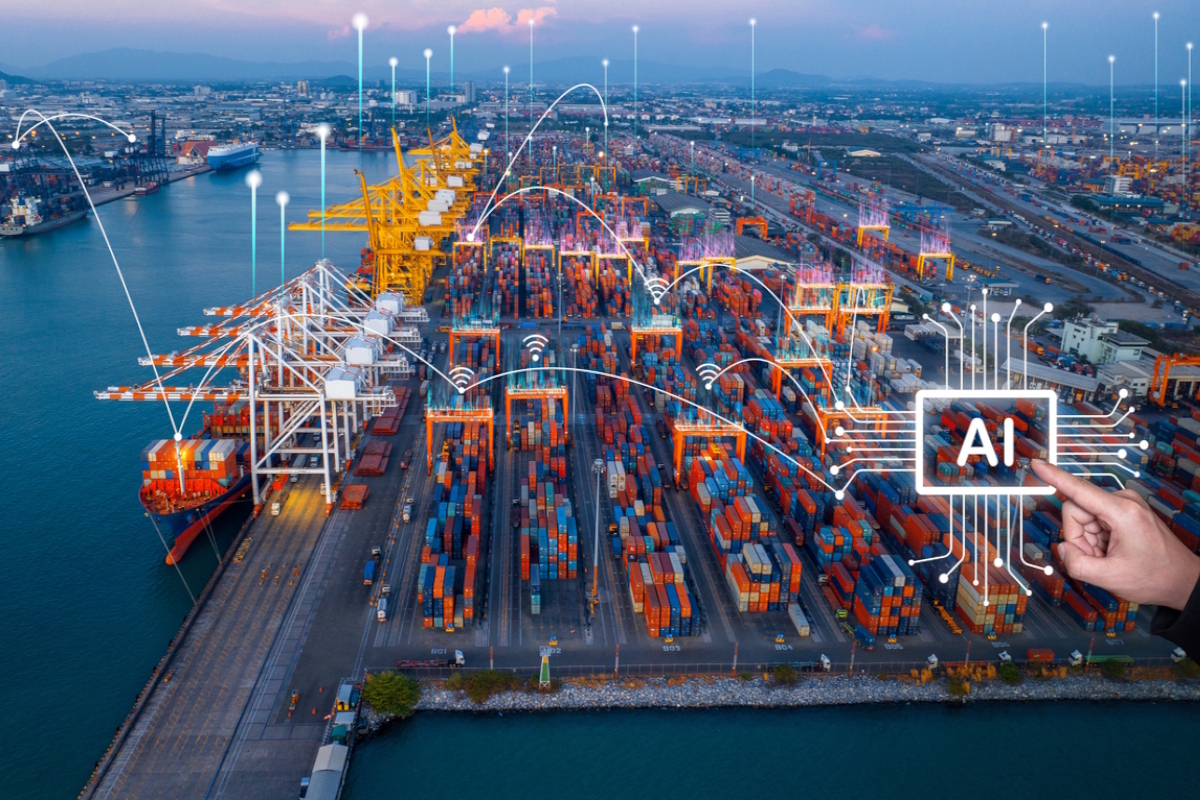
The complex and dynamic nature of modern supply chains makes them an ideal use case for advanced AI. In most organisations, the argument over whether to adopt technology has already been won, with board-level discussions now focused on how to turn potential into performance.
It’s a classic example of innovation converging with opportunity. Before GenAI solutions came to market, supply chain leaders typically focused their efforts on optimising individual components of their operations. This siloed approach remains a barrier for organisations that need to respond quickly to disruption or changing market conditions at any point in their supply chain.
Today, however, AI tools are enabling the same businesses to connect their decision-making processes with far greater precision, linking planning to real-time execution at unprecedented speed and with the potential to take performance to new levels.
For contemporary supply chain leaders, this helps address one of the sector’s most persistent and expensive problems: execution under disruption.
The direction of travel
So, where has supply chain planning and execution come from and where is it going?
Supply chains have historically been organised around core but separate operational functions. Many organisations created centres of excellence for the likes of planning, transportation and fulfilment, which would focus on optimising performance in those domains before the process was handed off to the next link in the chain.
This made most supply chains highly susceptible to disruption elsewhere, leading to the all-too-familiar stories of delays and shortages. The AI era is recalibrating these interdependencies - away from choke points and a damaging lack of agility and towards a much more orchestrated approach, where planning decisions are continuously updated as conditions change.
Instead of running periodic planning cycles, AI-empowered supply chain teams can increasingly align planning with real-time execution. Be in no doubt, this marks a decisive break from how supply chains have traditionally operated.
From operational optimisation to boardroom strategy
Delivering this kind of structural innovation is essential. Disruption is no longer an occasional or isolated event; it’s a function of globalisation and the growing influence of geopolitical and economic pressures that shape global trade.
Even relatively localised issues such as flooding, road closures or port congestion can ripple quickly through interconnected supply networks. This is completely at odds with modern business objectives and customer expectations around delivery speed and service reliability, which have become minimal requirements to remain competitive.
These pressures mean supply chain leaders must respond quickly to changing conditions, rather than relying on static plans. And this is where AI systems are at their most valuable because they allow organisations to analyse large volumes of data and identify disruptions earlier, enabling faster operational responses.
For senior decision-makers, therefore, the ability to identify emerging disruptions earlier than traditional planning systems not only empowers their teams; it also transforms their approach to volatility.
Instead of reacting after a disruption occurs, businesses can anticipate operational impacts and adjust plans earlier. In this way, AI changes the character and impact of decision-making by providing better visibility across interconnected supply chain operations.
One way to understand this shift is to consider a disruption scenario affecting inbound supply. If congestion at a major port begins to slow the arrival of key components, traditional planning systems may only detect the problem once inventory levels begin to fall.
AI-enabled systems, by contrast, can identify emerging disruption much earlier by analysing shipping data and inventory forecasts. This allows supply chain teams to adjust inventory allocations or reroute deliveries before the disruption cascades across the network. In practical terms, the difference is simple: instead of reacting once shortages appear, organisations can intervene earlier and maintain operational continuity.
At a time when the “transformational” claim is often applied too freely to new technologies, the impact of AI on supply chain efficiency seems certain to actually deliver.
Ann Marie Jonkman is Vice President, Global Product & Services – Marketing at Blue Yonder
Main image courtesy of iStockPhoto.com and Suphanat Khumsap

Business Reporter Team



Most Viewed


Winston House, 3rd Floor, Units 306-309, 2-4 Dollis Park, London, N3 1HF
23-29 Hendon Lane, London, N3 1RT

020 8349 4363

© 2025, Lyonsdown Limited. Business Reporter® is a registered trademark of Lyonsdown Ltd. VAT registration number: 830519543