



NFTs hit the big league, but not everyone will win from this new sports craze


Some buy sporting memorabilia for love. Others for money.
The world record for most money paid for a sports-related item goes to the original Olympic manifesto written in 1892 by International Olympic Committee founder Pierre de Coubertin. It changed hands in 2019 for US$8.8 million. In second place is the New York Yankees jersey worn by legendary American baseball player Babe Ruth, sold in 2012 for USA$4.4 million.
As in all markets for collectibles, scarcity equals value.
Which is why sport organisations, memorabilia sellers and collectors are getting excited about non-fungible tokens – or NFTs – a blockchain-enabled technology that proves unique ownership of digital content.
NFTs open up a huge new market to sell limited-edition images, videos and artwork. They also enable the original licensees – be it sports organisations or individual athletes – to share in resale profits.
NFTs are already sweeping the art market. In March, auction house Christie’s sold an NFT of a work by American digital artist Mike Winkelmann, known as Beeple, for US$69 million. Auction house Sotheby’s last month sold a single pixel for $US1.36 million.
Could we see similar NFT values in the sports collectibles market? Quite possibly.
Though tangible items such as uniforms, balls and bats will likely continue to be prized collectibles, collectors are already paying big bucks for digital versions of old favourites such as trading cards.
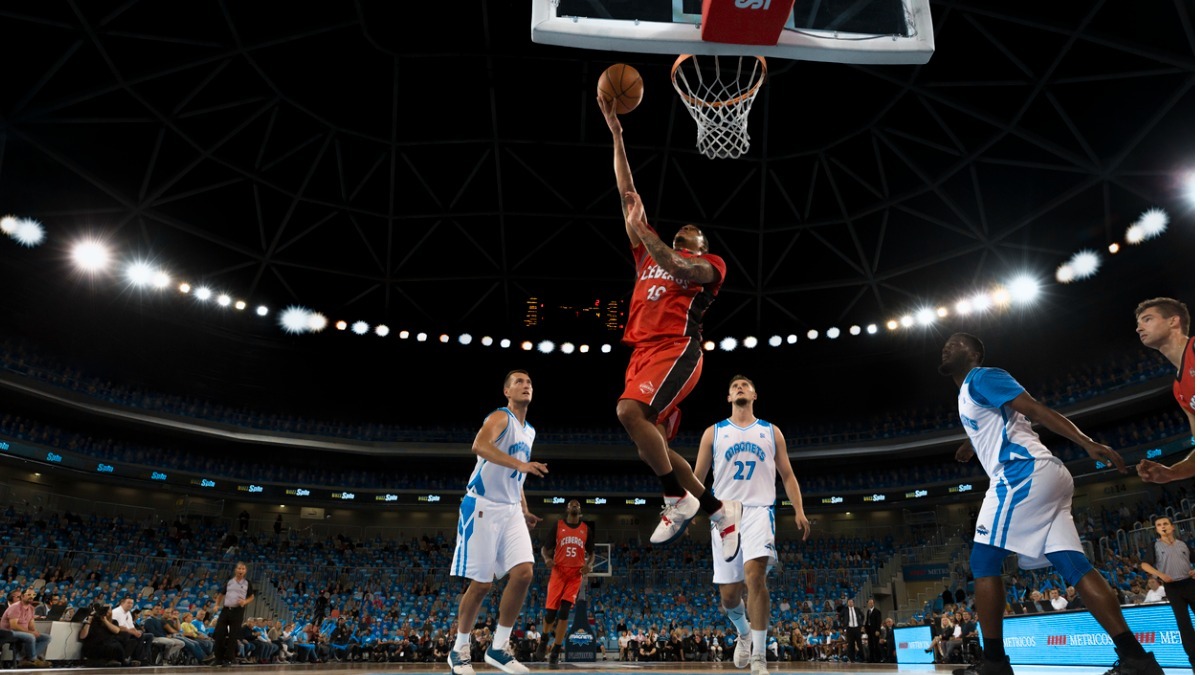
Leading the game is the US National Basketball Association, which began selling limited-edition “Top Shots” – digitally packaged and NFT-authenticated video highlight clips – in October 2020. Like traditional trading cards, these are sold in “packs”. Some videos are common, others rare. One such rare “moment” – in reality about half a moment – of basketball superstar LeBron James dunking reportedly changed hands in April for US$387,000.
Who knows what someone might pay for that moment in decades to come?
It might be millions more. Or much much less. Because this market, for all its early promises of rich rewards, is not without its downsides, with potential for significant environmental and social costs.
What are non-fungible tokens (NFTs)?
Something is fungible when it has a standardised and interchangeable value. It is replaceable by something else just like it. Cash is the obvious example. Non-fungible essentially means something unique, non-replaceable.
So NFTs are essentially digital certificates, secured with blockchain technology, that authenticate an item’s provenance – that it is a limited edition or one of kind – and enable it to be bought and sold as such.
An NFT provides scarcity of digital content that can be relatively easily copied – a photo of Indian cricket great Sachin Tendulkar making a world-record score, for example, or a video of tennis No. 1 Ash Barty winning at Wimbledon.
 original article.
Business Reporter Team



Most Viewed


Winston House, 3rd Floor, Units 306-309, 2-4 Dollis Park, London, N3 1HF
23-29 Hendon Lane, London, N3 1RT

020 8349 4363

© 2025, Lyonsdown Limited. Business Reporter® is a registered trademark of Lyonsdown Ltd. VAT registration number: 830519543