



Identity fraud and the UK digital ID
Dave Rossi at National Hunter asks: How can companies adequately prepare for what is currently largely unknown, to ensure Digital IDs aren’t a curse, but a cure?
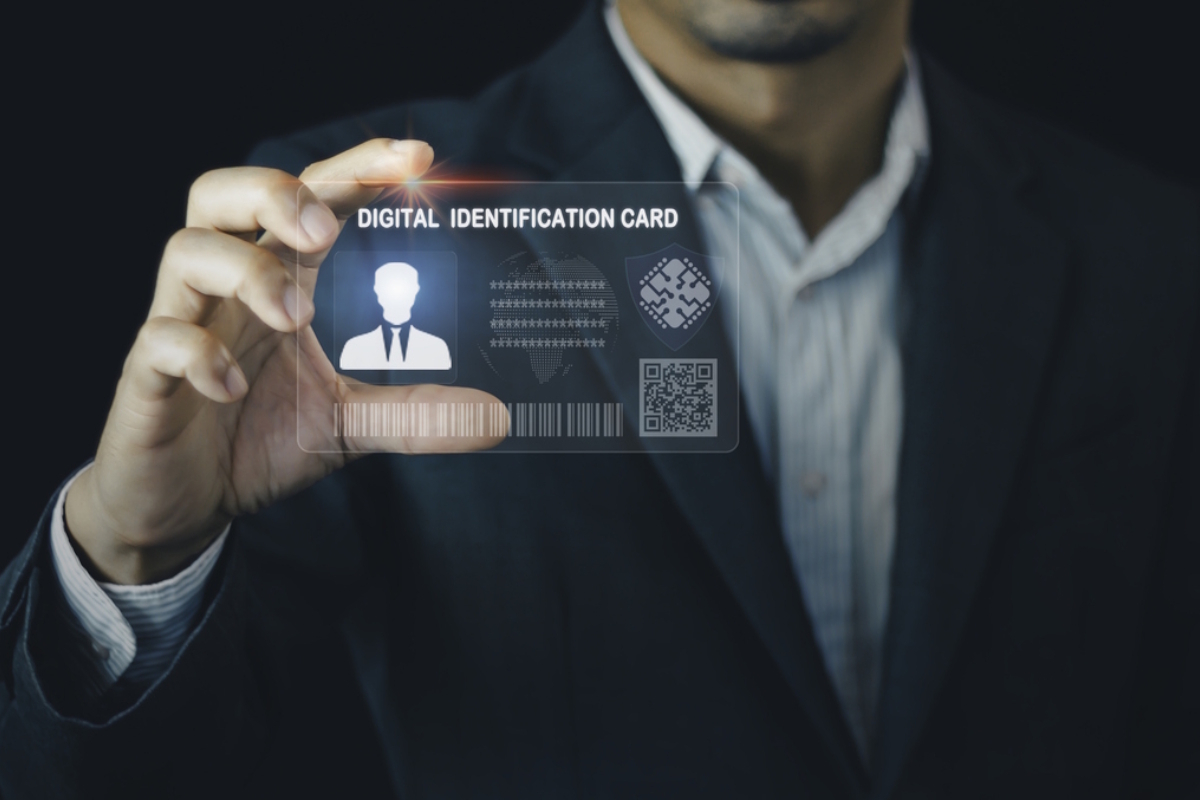
The UK Government’s proposed national Digital ID scheme promises greater efficiency, a reduction in fraud and greater privacy. However, uncertainty on how it will be implemented has caused fear that it could instead increase the risk of fraud, breaches and surveillance.
Discussions around the Digital ID debate sit against a backdrop of increasing identity fraud. Criminals are now using synthetic identities and AI-driven impersonation, making fraudulent documents increasingly difficult to spot. Additionally, fragmented identity systems enable criminals to move between channels easily, exploiting gaps as they go. This shift, enabled by technological innovation, highlights why the UK Digital ID is needed, but also why clarity on its framework is critical.
UK digital identity state of play
Across several government bodies, there is growing anticipation for the rollout of Digital IDs. Whilst some welcome the change, others are more hesitant, especially due to the changes it may cause. For example, the digital ID wallet launch challenges the DVLA’s stance on driving licenses not being a form of identification, but rather proof of permission to drive. Further discussions will need to take place to ascertain what happens next.
The digital wallet will not only welcome a potential upheaval in the classification of driving licences, but also a new, innovative approach to proving identity. Instead of visually presenting an ID, verification will take place directly within the device as a digital exchange, similar to how NFC and contactless work. The method will bring speed and efficiency, yet it will also heighten the importance of understanding how verification is conducted and who is in control of it. After all, this sophistication is promising, but also enticing to criminals, with data centralised in one place.
Digital ID verification and trust
A successful and safe digital ID has been proven possible. The state-issued Estonia e-ID not only enables digital transactions, but is also used to vote online, e-sign documents and manage banking and business more securely. Whilst proof of concept is reassuring, the UK remains unclear on how its digital ID will work in practice.
Further groundwork must be established, alongside a greater understanding of data flows between systems and how information will be integrated with existing fraud prevention tools. A leading concern is verification—who’s conducting it and how it is managed. For the rollout to be successful and safe, multiple layers of verification will be essential. Despite providers being audited, relying on a single provider poses risks. This is why a “trust but verify” stance will be crucial. After all, how will companies know if a verified ID suddenly becomes compromised in future?
Preparing for the UK digital ID scheme
For the Digital ID rollout to be a success, businesses must be vigilant and understand how verification is managed. Additionally, while certification of these IDs is reassuring, real reliance will depend on continuous monitoring. Businesses should consider building systems to alert them of future tampering of IDs to maintain post-verification integrity. Companies that prepare early—by embedding flexible, layered verification frameworks—will adapt most effectively as the rollout progresses.
From a government perspective, a secure framework should incorporate multi-layered verification, maintain accountability and involve trusted anti-fraud bodies in continuous monitoring and intelligence sharing.
Success depends on collaboration
Identity fraud remains one of the fastest-growing financial crimes in the UK, with criminals exploiting fragmented identity systems and using stolen or synthetic identities. On paper, Digital IDs promise to close those gaps—creating a verified, reusable identity that can be securely shared across public and private sectors.
However, as with any system that centralises data, the risk profile changes. This risk is amplified when Digital IDs are stored on mobile phones. The consequences of compromised credentials or IDs are far greater, with the potential for criminals to gain verified access to financial services, employment checks or even government benefits. A stolen or compromised device could provide criminals with direct access to a person’s verified identity, especially if biometric or PIN protections are weak or bypassed. Unlike a physical document, which can be cancelled or replaced, a compromised phone may expose multiple linked services at once, magnifying the impact of a single breach.
Digital ID adoption will only function safely if organisations share intelligence about compromised credentials, suspected tampering or repeated fraudulent attempts linked to the same identity. A strengthened data-sharing environment will help identify patterns that may not be visible to any single organisation. This collective approach already underpins much of the UK’s fraud-prevention activity and will remain essential as verification frameworks evolve.
Ultimately, a digital ID could strengthen the UK’s defences against identity-based fraud—but only if built with fraud resilience at its core. Greater collaboration and cross-sector intelligence between lenders, technology providers, and the government will determine whether digital IDs are a safeguard or another new target.
Dave Rossi is Managing Director at National Hunter
Main image courtesy of iStockPhoto.com and chiewr

Business Reporter Team






Most Viewed


Winston House, 3rd Floor, Units 306-309, 2-4 Dollis Park, London, N3 1HF
23-29 Hendon Lane, London, N3 1RT

020 8349 4363

© 2025, Lyonsdown Limited. Business Reporter® is a registered trademark of Lyonsdown Ltd. VAT registration number: 830519543