



Automating the warehouse
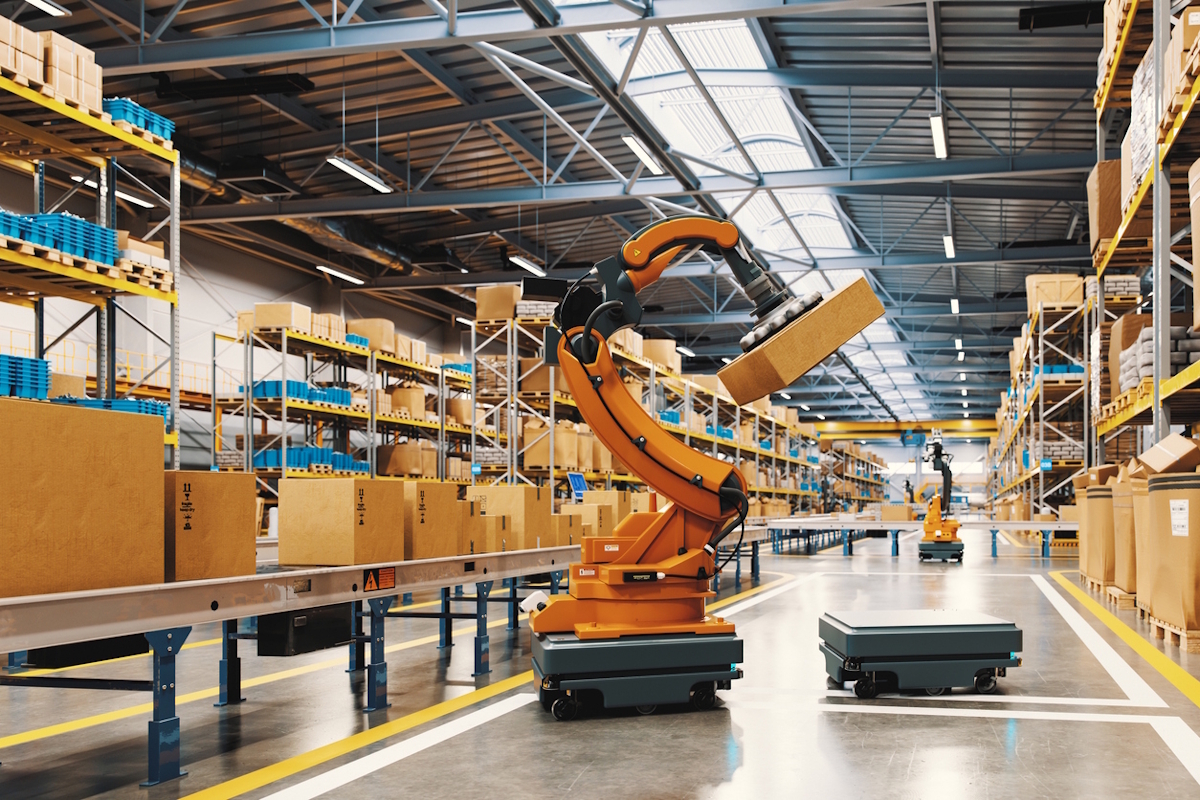
Chris Brett at Kallikor argues that simulation sets the pace for warehouse evolution
It’s been hard to miss the buzz around Amazon’s latest R&D announcement: its Vulcan robot, a machine with a sense of touch that can grab items in a warehouse setting. It’s been called a “fundamental leap forward in robotics” by the corporate giant, with emphasis on the benefits it offers to employee safety and picking effectiveness.
But while these kinds of announcements will always garner attention, the reality is that most warehouses don’t have Amazon’s deep pockets to throw at robotics R&D. The good news is that the other 99% don’t need billions for short-term warehouse transformation.
For the vast majority, now is the time for next-generation digital twin technology to help businesses gain every bit of value possible from their existing deployments, while keeping revolutionary improvements in view for the long term.
Humans and machines working together
Just like self-driving cars won’t replace every vehicle on the road tomorrow, warehouses won’t be filled entirely with robots anytime soon. In fact, very few businesses will be embracing full automation.
Furthermore, big-bang upgrades can pose risks to business continuity. Ripping out existing systems or rapidly overhauling operations without proper planning can lead to costly downtime, supply chain disruption, or even safety issues. For example, if a manual picking process is being replaced by an automated robotic system, has it been set up to integrate with storage areas and conveyors for selecting the right items?
For many industries, full automation simply also isn’t realistic or desirable. Factors such as cost, regulatory complexity and varying degrees of trust in technological accuracy can present barriers. In the pharmaceutical industry where contamination checks are a legal and regulatory necessity, machines are increasingly capable of identifying issues such as product spoilage or potential contamination.
While these such inspections do not always require direct human involvement, regulatory compliance often demands that human oversight remains in place at critical control points. In these settings, automation and human expertise continue to operate in tandem, ensuring both safety and accountability are upheld throughout the process.
Moreover, as automation gains traction, the challenge isn’t just about the installation. It’s about ensuring new systems or technologies integrate safely and effectively into environments that rely on existing infrastructure, legacy systems and a skilled human workforce.
That means careful planning, change management, and sometimes redesigning workflows to ensure machines support people, rather than displacing them. This is where simulation technology has a crucial role to play.
Next-generation simulation digital twins
Next-generation simulation digital twins allow warehouses to refine and optimise hybrid operations step-by-step. Businesses can recreate a warehouse environment down to the last detail, letting organisations test robotics or operational tweaks before making any kind of expenditure.
If businesses want to trial a new automation solution, simulation reveals its true ROI and how it complements existing processes and the human workforce.
And sometimes the smartest gains come not from robots at all, but from operational tweaks to the current system. Take the example of a case labeller that isn’t keeping up with the warehouse’s pace. It might seem minor, but this bottleneck can ripple through the entire process, slowing down pick stations downstream and creating costly delays.
By digitally replicating the warehouse flow, this shows exactly where the case labeller is struggling, how it affects throughput and what the impact is on the wider operation. Adding a second case labeller could expand output at that station, eliminating the backlog and keeping the picking lines moving at full speed.
Organisations can even assess the impact that peak days have on both the humans and equipment in a warehouse operation. If Black Friday leads to an increase in orders by 10%, organisations can see exactly where any potential bottlenecks might occur, the capacity constraints and the impact on overall warehouse throughput.
And, with immediate evolutionary steps made possible by current infrastructure, simulation can enable long-term revolution. For example, with operational processes transparently shown in a virtual environment, it’s possible to assess where a replacement might be needed in the next few years. It may be that by this point in time, a revolutionary solution such as Vulcan is commercially available and much more affordable after the big players have already worked out what does or doesn’t work. Not everyone needs to be on the bleeding edge.
Breaking down traditional barriers
Simulation can hugely benefit the other 99%, but it needs to remove the traditional barriers that organisations have often faced. Rather than be closed off to those who would gain the most value from them, it’s imperative that they deliver actionable insights into the hands of every stakeholder, from warehouse floor operators to the operational managers and executives.
Democratisation can allow the people on the ground an understanding of how their daily tasks fit into the bigger picture. If they can see the real impact of small changes, they can make smarter and more confident decisions about how to prioritise work, manage workflows or adjust roles.
At the leadership level, staff require a comprehensive, forward-looking view of warehouse performance. Before they sign off on any costly or potentially disruptive changes, they need visibility of bottlenecks, cost-saving opportunities and be able to test what-if scenarios quickly. Teams can build a business case for leaders, which means they can make faster, more informed decisions. That could be redeploying staff to a different area of the warehouse or investing in a picking robot to increase throughput.
Unlocking the opportunities
Massive budgets and futuristic robots reserved for industry giants aren’t the immediate answer for the vast majority of the sector. Instead, the immediate focus should be on making existing processes more efficient, smarter, quicker and more competitive, all in one considered step at a time.
Next-generation simulation tools unlock the opportunities that might otherwise stay hidden or be inaccessible. Warehouses of all sizes can uncover savings, streamline operations and seamlessly integrate people and machines into a powerful, productive team. Immediate success comes from pragmatism and precision.
Let others spend the money on R&D now and adopt revolutionary approaches once they become available.
Chris Brett is Chief Technology and Product Officer at Kallikor
Main image courtesy of iStockPhoto.com and imaginima

Business Reporter Team



Related Articles

Most Viewed


Winston House, 3rd Floor, Units 306-309, 2-4 Dollis Park, London, N3 1HF
23-29 Hendon Lane, London, N3 1RT

020 8349 4363

© 2025, Lyonsdown Limited. Business Reporter® is a registered trademark of Lyonsdown Ltd. VAT registration number: 830519543