



Why climate risk is the new cost of doing business
Sponsored by First StreetAs physical climate threats intensify, businesses are shifting from backwards-looking data to forward-looking, asset-level risk modelling


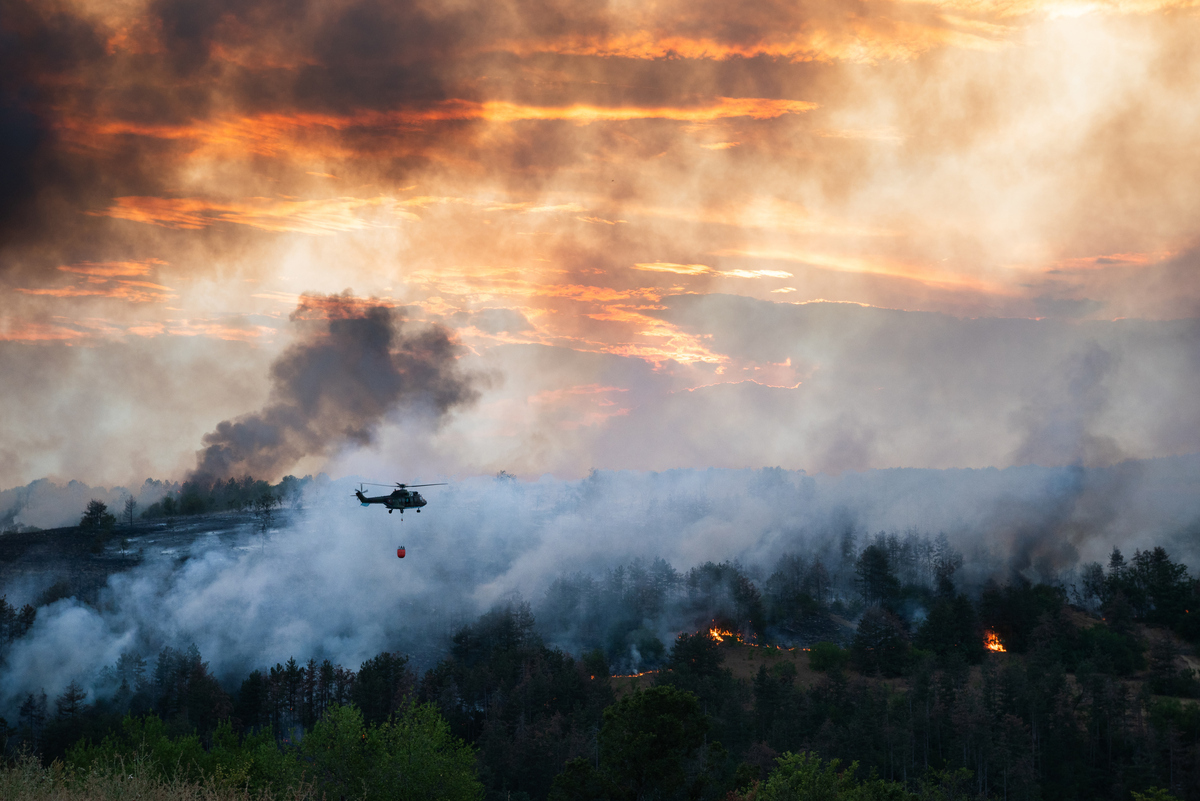
Institutional investors are no longer satisfied with backwards-looking climate disclosures. They are demanding forward-looking, asset-level analysis that quantifies how physical climate risk affects revenue, operating costs, capital expenditure, and asset valuation.
The reason is straightforward. Physical climate risk now materially affects commercial real estate, data centres, logistics facilities, and critical infrastructure, including power generation, transport, and water systems. An estimated 18 trillion dollars of global GDP sits in areas at high risk of flooding, and one in four people globally is exposed to significant flood risk. Corporate profit warnings tied to extreme weather have grown more than 6.5 times in the last two decades, and chip manufacturer Sensata Technologies saw revenues fall 12 per cent below trend for two full years following the 2011 Thailand floods.
These impacts translate directly into financial outcomes: higher repair and capex costs, insurance premium increases, revenue disruption, and permanent impairment of asset value. Yet most investors, owners, and operators still rely on historical loss data and qualitative ESG frameworks that were not built to inform forward-looking financial decisions.
These impacts translate directly into financial outcomes, including capital expenditures for repairs, higher operating costs, insurance premium increases, revenue disruption and potential impairment of asset value.
However, investors, owners and operators are failing to understand climate risk data fully because they rely on portfolio and historical approaches. These approaches hamper the forward-looking risk assessments that should underpin capital allocation decisions.
A shift in approach is needed so that the long-term climate risk is incorporated into investment decisions.
Underpricing climate risk
Climate risk is the new cost of doing business. Its impacts include recurring losses from physical damage and business interruption, turning one-off disruptions into ongoing operating costs. For instance, when severe weather events hit, losses can scale quickly across multiple revenue streams, turning a single-asset issue into a company-wide problem.
Unsurprisingly, markets respond rapidly to this type of disruption and share prices often decline following a weather-related disaster. Financial markets increasingly treat physical climate disruption as financially relevant. Furthermore, insurers are repricing risk and even withdrawing coverage altogether, while lenders are scrutinising climate exposure in underwriting decisions.
To manage this, organisations must ask themselves how climate risk impacts their business. All too often, though, the answer underprices the cost of climate risk.
The use of backwards-looking data is a common driver of underpricing. Because many catastrophe models assume a stable climate that no longer exists, events considered low probability, such as once-in-100-year floods, are mispriced. The financial consequences are measurable: within 30 days of a weather-related disclosure, affected companies underperform baseline valuations by an average of 2.7 per cent, and over half miss revenue growth expectations within a year. Risk aggregation is also an investor issue because portfolio-level scores mask real concentration: a portfolio can seem diversified at the sector level while having many operations exposed to a single flood risk.
Underpricing climate risk has consequences that compound across the organisation: capital is misallocated, supply chains break under stress, and operations face disruptions that continuity plans and insurance policies often fail to cover.
Understanding risk through climate modelling
Climate modelling is used by many businesses to predict the effects that climate risk will have on their assets. However, organisations do not always use tools that reflect forward-looking risk conditions.
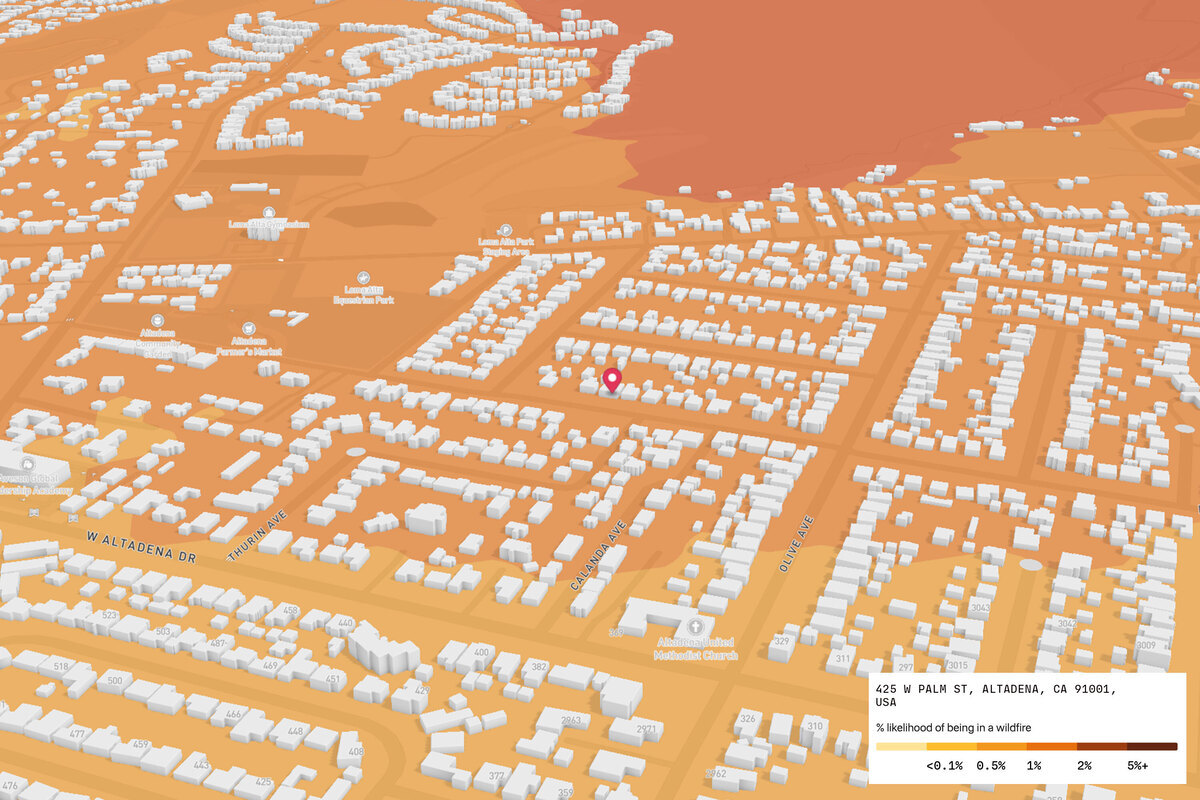
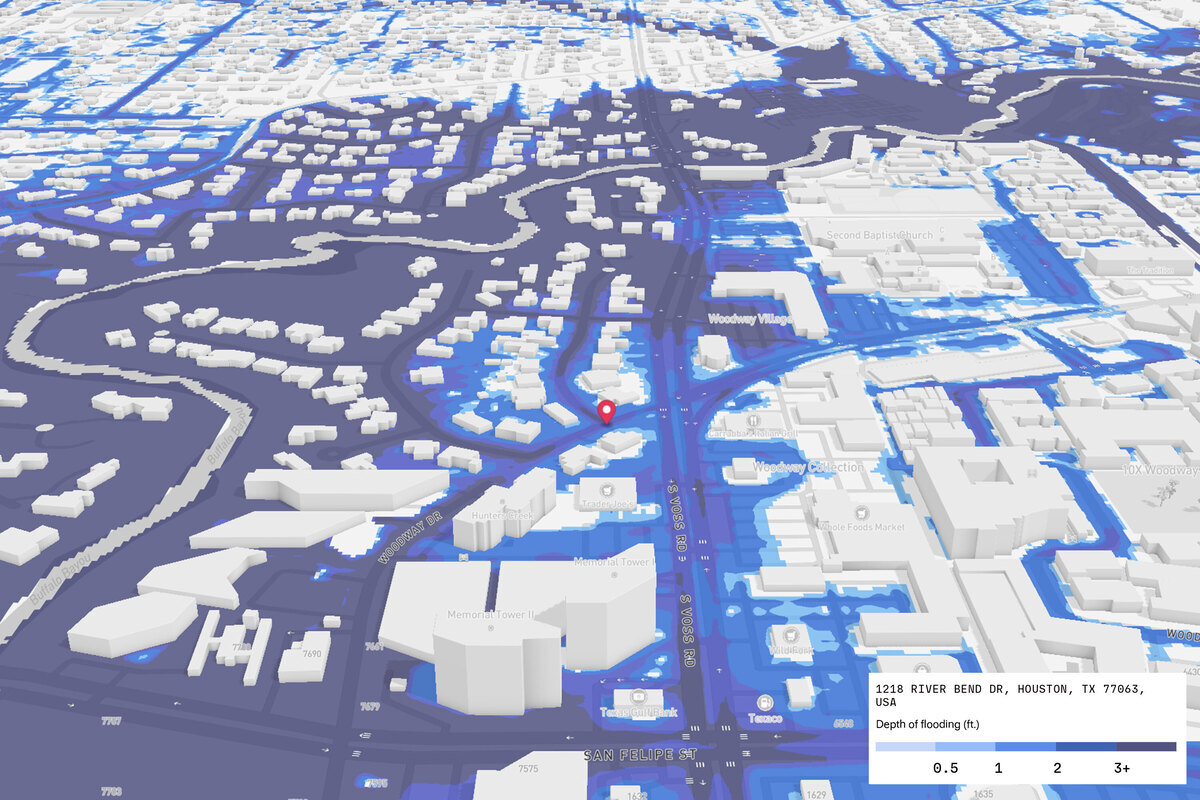
Often, they take a portfolio approach, aggregating exposure across all their assets. This helps them understand the degree of climate risk in their portfolio. However, two buildings on the same block can have very different risk profiles depending on elevation, drainage and construction. Portfolio scores cannot see this.
A better approach is to use asset-level modelling. This focuses on specific locations, enabling businesses to understand how exposed a particular building is to climate risks. By using precise geospatial data such as elevation and flood maps, they can measure the intensity of hazards, such as flood depth or wind speed, at individual sites and calculate losses from downtime and repairs.
Historical versus predictive data
The backwards-looking averages derived from historical data are insufficient. There is also a need for forward-looking tools that model how climate risks will evolve, simulating the likely hazard – rainfall, runoff, river discharge – across the landscape, rather than statistically extrapolating it from historical loss records.
This approach enables better asset valuation, informs capital allocation and, crucially, facilitates better risk management. These physics-based risk models are now operationally real, not aspirational, and available from companies such as First Street.
Driving better risk management
Climate risk is breaking historical assumptions about risk. However, physics-based models are enabling better risk management decisions, helping organisations identify vulnerable components, quantify potential impacts and prioritise mitigation efforts that support performance.
Markets are moving from tick-box sustainability compliance reporting to sophisticated financial modelling. Once physical climate risk can be priced at the asset level under forward-looking scenarios, it ceases to be a reporting output and becomes an input to the decisions that shape the cost of capital, insurance pricing, capital expenditure and asset valuation.
This shift, from compliance reporting to forward-looking financial modelling of climate risk, is what defines the emerging category of Climate Risk Financial Modelling (CRFM). Once physical climate risk can be priced at the asset level under forward-looking scenarios, it becomes an input to capital allocation, insurance pricing, capital expenditure, and asset valuation decisions.
Forward-looking, asset-level modelling also facilitates profitability. Localised adaptation, including drainage upgrades, elevation and site selection, can materially reduce losses and protect yields for asset owners or optimise capital expenditure sequencing for infrastructure operators. Quantifying mitigation impact at the asset level turns adaptation from a sustainability line item into a financial decision with a measurable return.
Incorporating climate scenarios into investment committee processes rather than in separate sustainability workstreams has a major benefit: it facilitates proactive rather than reactive actions, meaning that predictable disasters can be planned for. This is highly relevant to investors as well as to company managers.
In today’s complex and volatile commercial environment, the use of physics-based models to predict the impacts of physical climate risk is a key method for businesses to manage risk and deliver growth.
First Street builds the financial-grade climate risk models that institutional investors, lenders, insurers, and corporates use to underwrite, allocate capital, and plan for resilience.
To see how forward-looking, asset-level climate risk modelling fits into your investment and risk processes, visit firststreet.org.


Business Reporter Team





Most Viewed


Winston House, 3rd Floor, Units 306-309, 2-4 Dollis Park, London, N3 1HF
23-29 Hendon Lane, London, N3 1RT

020 8349 4363

© 2025, Lyonsdown Limited. Business Reporter® is a registered trademark of Lyonsdown Ltd. VAT registration number: 830519543