



Rethinking the High Street
From disposable jewellery to essential advice, Pete Champion at I-AM considers what the collapse of Claire’s Accessories tells us about the changing high street


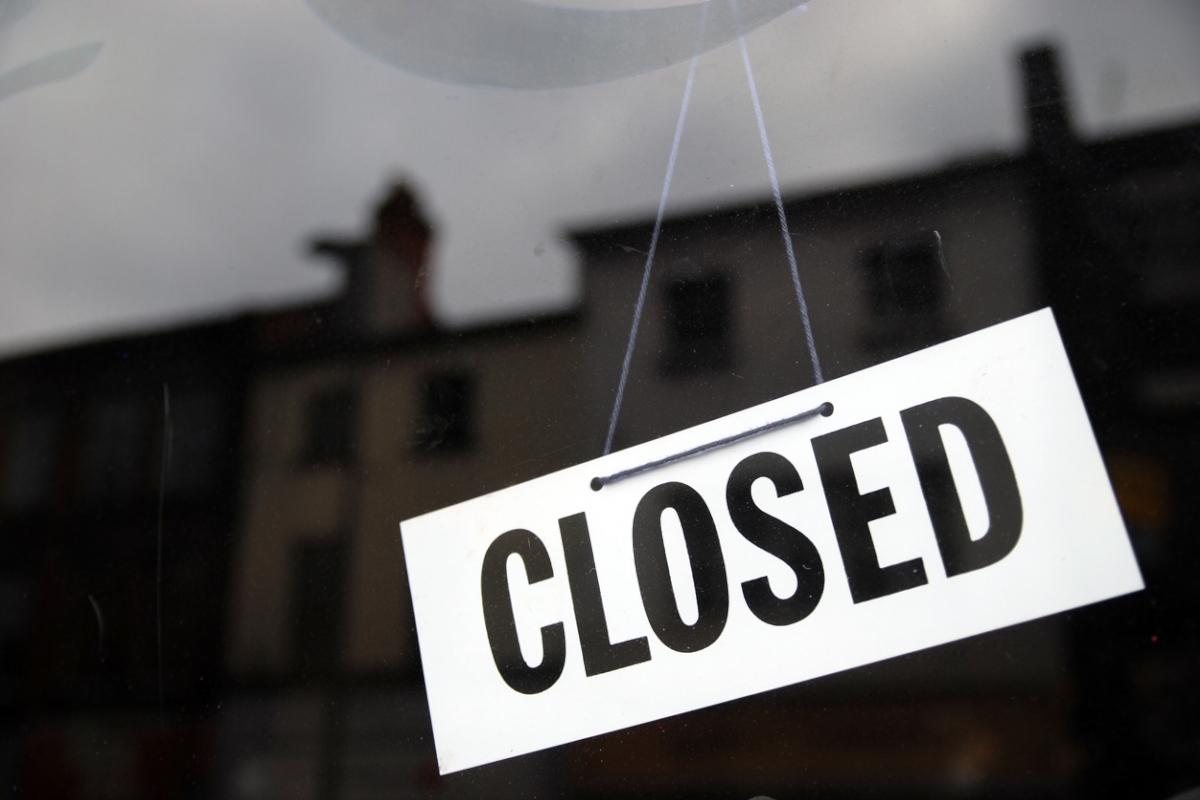
For a generation of women, Claire’s Accessories was a key part of the Saturday shopping ritual. A place you could pop into with friends to browse a remarkably extensive collection of affordable, if disposable jewellery, and pick up something new and fun to wear.
Yet, while the news at the end of January that it has gone into administration for the second time in four months is sad news for the 1,000 or so people it employs in 156 stores, as well as for the many customers who still enjoy shopping there, it won’t have surprised anyone.
It’s not simply that Claire’s had clearly run out of ideas – anyone visiting recently would have found uninspiring stores overly stocked with low value products and a baffling array of promotional offers. It’s unsurprising because we’ve now become used to news of high street retail failure.
Yet none of this is inevitable. Online shopping is changing what we want from physical retail, but it does not mean we no longer want it. Indeed, according to L.E.K. Consulting, nearly two-thirds of Gen Z shoppers—the first digitally native generation—say they prefer the in-store experience to online.
This is an opportunity for two groups: firstly, the established struggling retailers like Claire’s that need to re-think how they show up on the high street, and secondly, a group of service businesses that have not traditionally had a high street presence, but should today consider it. Here’s why and how.
Rethinking traditional retail
Quiz, Russell & Bromley, Fired Earth, Poundland, New Look, Homebase, Carpetright, Muji, Ted Baker, The Body Shop, Lloyds pharmacy, Wilko - Claire’s is not alone. High street retailers of every size and type go into administration every month.
Yet there is hope. Apple, Sephora, Target, Costco, Aldi, Primark, Lush, Gymshark, Cult Beauty – there are many examples of high retailers that are thriving. How? Firstly, they recognise that having been a fixture of our high street landscape for many years does not guarantee continuation. They re-energise their spaces.
Begin with a clear-eyed understanding of what motivates the target shopper, and what has been disrupted in that by our digital world. Engage with their updated motivations by bringing the branded proposition alive in a way only a physical store can. Imagine if Claire’s had offered makeover experiences, dress-up and accessorising masterclasses, tie-ups with films, or TV shows showcased in-store.
Design an in-store experience that goes beyond a simple browse and purchase transaction. In 2026 we can all browse and purchase online, so the physical visit has to be worthwhile. Make it surprising, fun, energetic, immersive, relevant, exciting and inspiring. People still want what Claire’s sells; it just needs to be presented to them in the right way.
The new retailers
There is a broader opportunity here for businesses that have not traditionally thought of themselves as retailers. Think estate agents, financial advisors, legal experts, healthcare professionals, travel consultants – providers of high stakes products and services.
While we may increasingly be happy to buy lower-order, consumable items like accessories online, who wants to order a new home and arrange a mortgage, or discuss an inheritance with an on-screen chatbot, or buy complicated tech without guidance from an expert? We all know that video chats leave us feeling drained where an in-person encounter would do the opposite.
The high street is less and less a place we need to visit, and that is presenting challenges for brands like Claire’s that relied on people popping in as they passed, but it is also increasingly becoming a place we might choose to go to for more complex reasons, if the right ‘real’ experiences were there for us (and councils worked with retailers to remove barriers such as parking availability & costs) and that is an opportunity for these sellers of high stakes products.
It’s one that few ‘service’ based high-stakes retailers have so far fully recognised and optimised for. After all, this is a major shift in perception for them. The very concept of retail experience is new to most of them. What’s more, simply copying existing retailers is unlikely to work. They would be far better to look to hospitality.
The evolving high street
There is much to get right. But the organisations that seize this opportunity, who create retail spaces that people truly want to visit to get expert advice on high stakes purchases, will be those who thrive in the years ahead. It will allow them to forge deep connections with customers; build their brands and be more present in people’s lives.
Great retail must continue to contribute to the evolution of high streets in a positive way. We may no longer be able to grab affordable and disposable jewellery from Claire’s, but we will find something new and equally valuable. The high street is not dying, it is simply in the throes of being reinvented.
Pete Champion is MD at I-AM
Main image courtesy of iStockPhoto.com and ilbusca

Business Reporter Team




Most Viewed


Winston House, 3rd Floor, Units 306-309, 2-4 Dollis Park, London, N3 1HF
23-29 Hendon Lane, London, N3 1RT

020 8349 4363

© 2025, Lyonsdown Limited. Business Reporter® is a registered trademark of Lyonsdown Ltd. VAT registration number: 830519543