



The Quiet Unauthorised Transaction Epidemic
It isn’t whether fraud is getting through, argues Tamás Kádár at SEON. It’s how much damage unauthorised transactions are doing before anyone notices


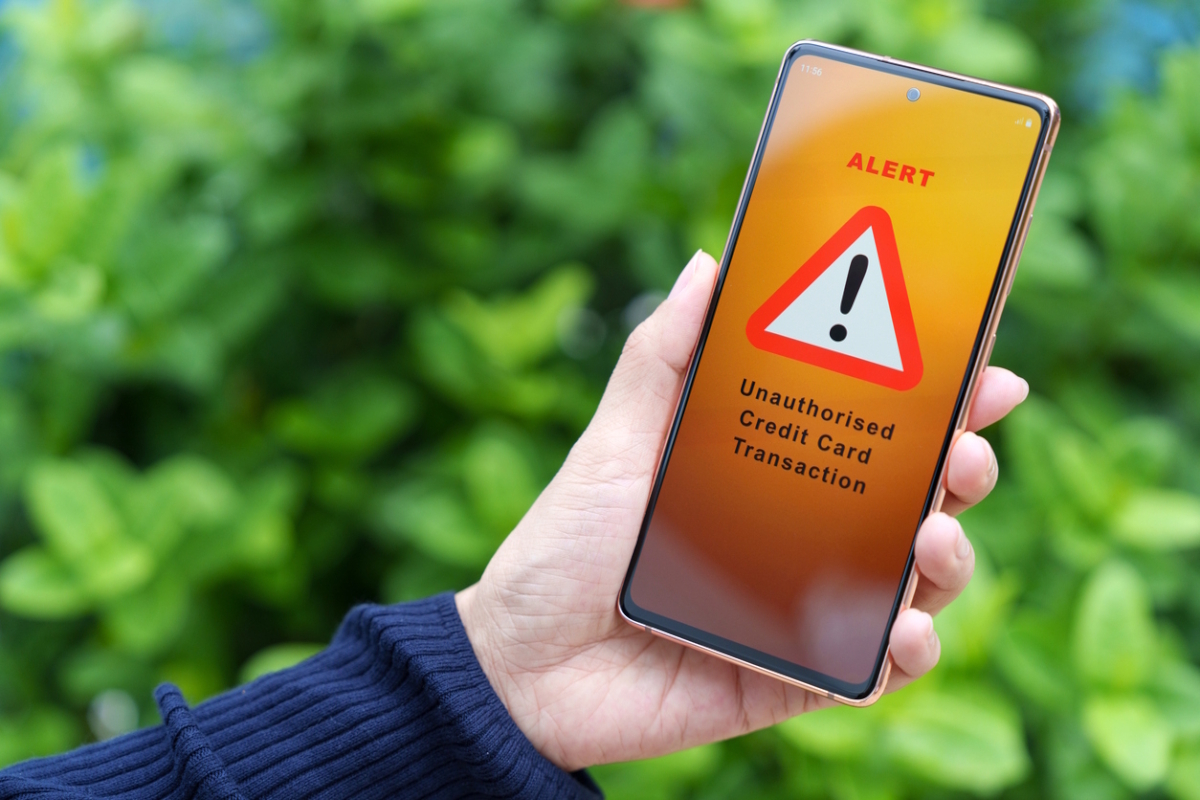
Millions of unauthorised transactions slip past outdated fraud defences every day, exploiting gaps between siloed systems, delayed detection, static rules and reactive controls. However, these transactions aren’t isolated incidents but persistent signals of a more profound, systemic vulnerability, akin to viral probes that test the human immune response.
Fraud is evolving faster than the tools designed to stop it, and synthetic IDs, bot-driven attacks and fragmented detection pipelines fuel the crisis. These evolving form factors are quickly reshaping the threat landscape. In 2024 alone, $1.3 trillion in digital payments were flagged for fraud review — over 40 billion attempts. That’s enough to test every platform’s “immune system” five times over. Further, 79% of organisations reported payment fraud attempts, underscoring the scale and persistence of the risk.
The question isn’t whether fraud is getting through. It’s how much damage unauthorised transactions are doing before anyone notices. In this race between fraudsters and fraud fighters, the ones pulling ahead are shifting their approach to catch risk earlier by harnessing real-time behavioural signals and replacing blackbox opacity with transparent, adaptive and explainable decision-making.
Unauthorised Transactions: the Perfect Trojan Horse
With more than 3 trillion online transactions each year, even a small margin of error equals massive losses. A delayed notification, a mistyped password or a login hiccup — to the human eye, and even many systems, may look like noise. But in reality, it could be a low-value test charge, and for an attacker, these actions are ideal entry points — early-stage rehearsal for high-value fraud.
Just like a virus, fraud doesn’t start with a fever; fraud doesn’t begin with a $10,000 wire. It starts with $0.99, a $2.49 purchase and a few login attempts from a new device. These subtle, silent signals often go unnoticed by static defenses until the real attack begins. What appears random is usually coordinated, and when fraudsters find permissive environments, they chart them, turning transaction history into a playbook. An account is already compromised when these unauthorised probes escalate into full-scale attacks. Fraud, like infection, spreads long before the symptoms show.
Unauthorised - it’s Where Fraud Begins
One of the biggest challenges in fraud prevention today is nuance. Not every unauthorised transaction is fraudulent, but every fraud journey includes unauthorised behaviour.
Fraud detection must balance two items simultaneously: blocking actions too stringently will wreck the user experience, while being too permissive will invite fraud. The space between is where attackers thrive, testing thresholds, probing behaviours, slipping between signals that don’t talk to each other.
Just last year, more than $8.9 billion was lost to chargebacks, making unauthorised transactions one of the fastest-growing blind spots in fraud. This stark reminder that what starts as a common cold can snowball into a systemic infection is why the future of fraud prevention doesn’t lie in binary rules; it lies in contextual awareness and dynamic risk evaluation.
Act Before Transactions Escalate
With over 30% of the global population expected to make online payments this year, the opportunities for fraudsters are expanding with every transaction, device and digital wallet added to the ecosystem. The only viable response is to stop reacting at the edge and start embedding detection upstream, moving earlier in the user journey.
By looking at device intelligence and behavioural data, organisations can build a real-time risk profile from the first interaction — email, IP, device, behaviour — and teams can shift from reactive to proactive fraud postures. If fraud is a story, most teams only read the last chapter, when in reality, we need to know the whole narrative.
Think of a vaccine: it exposes the immune system to a weakened form of a pathogen so that when the real thing appears, the body already knows what to look for. In fraud terms, that vaccine is a combination of historical and real-time fraud data used to train AI and machine-learning models to analyse transaction patterns, behavioural signals and user device data to recognise nefarious behaviours or data anomalies that empower teams to adapt faster and intercede as necessary.
For example, having a customer’s identity, a transaction timestamp and IP location, on their own, reads as fragmented information. Still, when enriched with device intelligence, digital footprint and behavioural data, it’s possible to understand who is behind the screen and why clearly. The timestamp will reveal that the customer’s local time zone is 4:46 a.m., IP data may show that they used a VPN, which they never did before, and behavioural data will reveal 1-2 second session durations. These information fragments don’t hint at fraud, but unified, the risk indicators are too high to ignore.
Build an Immune System, not a Firewall
Fighting fraud isn’t about building taller walls; it’s about creating more innovative immune systems that learn from each signal, adapt to new tactics, and evolve with every interaction. When platforms treat fraud like an outbreak, not an isolated incident, they look for the signs earlier. Unauthorised transactions stop being shrugged off as noise and start being treated as the early warnings they are.
Tamás Kádár is CEO at SEON
Main image courtesy of iStockPhoto.com and Thai Liang Lim

Business Reporter Team






Most Viewed


Winston House, 3rd Floor, Units 306-309, 2-4 Dollis Park, London, N3 1HF
23-29 Hendon Lane, London, N3 1RT

020 8349 4363

© 2025, Lyonsdown Limited. Business Reporter® is a registered trademark of Lyonsdown Ltd. VAT registration number: 830519543